Yueruis jako jeden z profesionálních ČínyVýrobci zádržných systémů pro vozidlaa ČínouTovárna na zadržování vozidel, jsme silná síla a kompletní řízení. Také máme vlastní exportní licenci. Zabýváme se především výrobou řady zádržných systémů pro vozidla a tak dále. Držíme se zásady orientace na kvalitu a priority zákazníka, upřímně vítáme vaše dopisy, hovory a šetření pro obchodní spolupráci. Po celou dobu vás ujišťujeme o naší vysoké kvalitě služeb.
Díky dokonalým dodavatelům vybavení nakládacích ramp, průmyslových vrat a souvisejícího příslušenství dokovacích systémů se zaměřujeme na každou stranu, abychom vyhověli různým požadavkům zákazníků. Nacházíme se v ShanghaiChinato, rozšiřujeme své moderní zdroje a snadnou dopravu na zámořské trhy a také si užíváme dobré výrobní a provozní prostředí, které vytváří pohodlné dopravní podmínky.
Během celého zpracování se zádržné zařízení vozidla také automaticky nastaví podle plovoucího ocasu automobilu a pevného stavu kolejnice, aby byla zajištěna bezpečnost. Po dokončení nakládky a vykládky obsluha znovu stiskne spínače, všechny kroky budou dokončeny.
Naše továrna má více zkušeností v oblasti omezení výroby vozidel a můžeme poskytnout více typů. Pokud se o nich chcete dozvědět více podrobností, kontaktujte nás!

Během celého zpracování se zádržné zařízení vozidla automaticky přizpůsobí podle plovoucího ocasu automobilu a pevného stavu kolejnice, aby byla zajištěna bezpečnost. Po dokončení nakládacích a vykládacích prací operátor znovu stiskne spínače, všechny kroky budou dokončeny.
Vehicle restraint systems, also known as dock locks, dock lock systems, truck restraints, or trailer restraints, are essential safety devices installed at loading docks to secure trucks and trailers during loading and unloading operations.
Yueruis Vehicle Restraint Systems are designed to firmly lock the rear impact guard (RIG) of the vehicle, preventing unexpected movement, trailer creep, or early drive-off accidents. They provide the highest level of safety for dock workers, forklift operators, and cargo.
These systems are widely used in warehouses, factories, logistics centers, distribution hubs, and cold storage facilities.
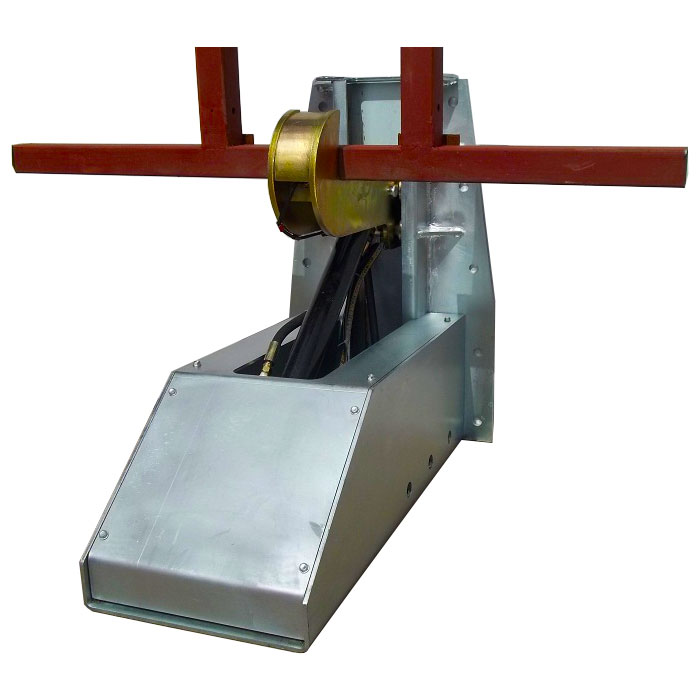
The primary purpose of a dock lock is to eliminate dangerous vehicle movement at the loading bay.
Key Safety Functions:
Prevent truck creep caused by forklift movement
Stop premature drive-offs before loading/unloading is complete
Reduce risk of dock collapse, worker injury, and cargo damage
Maintain stable alignment between truck and dock leveler
By physically restraining the vehicle, dock locks create a secure loading environment, significantly reducing accident risks.
Yueruis dock locks operate through a mechanical or powered restraining hook that engages the truck’s rear impact guard.
Truck backs into the loading dock
Vehicle restraint automatically or manually engages the trailer
Dock traffic light switches to green inside / red outside
Loading or unloading begins safely
Once complete, restraint is released and traffic signals change
This simple but reliable process ensures clear communication and prevents operational errors.
Highest Safety Level: Prevents trailer movement and accidents
Heavy-Duty Construction: Designed for industrial, high-cycle use
Clear Visual Communication: Integrated dock signal lights
Easy Operation: Simple control panel for dock staff
Low Maintenance: Durable components with long service life
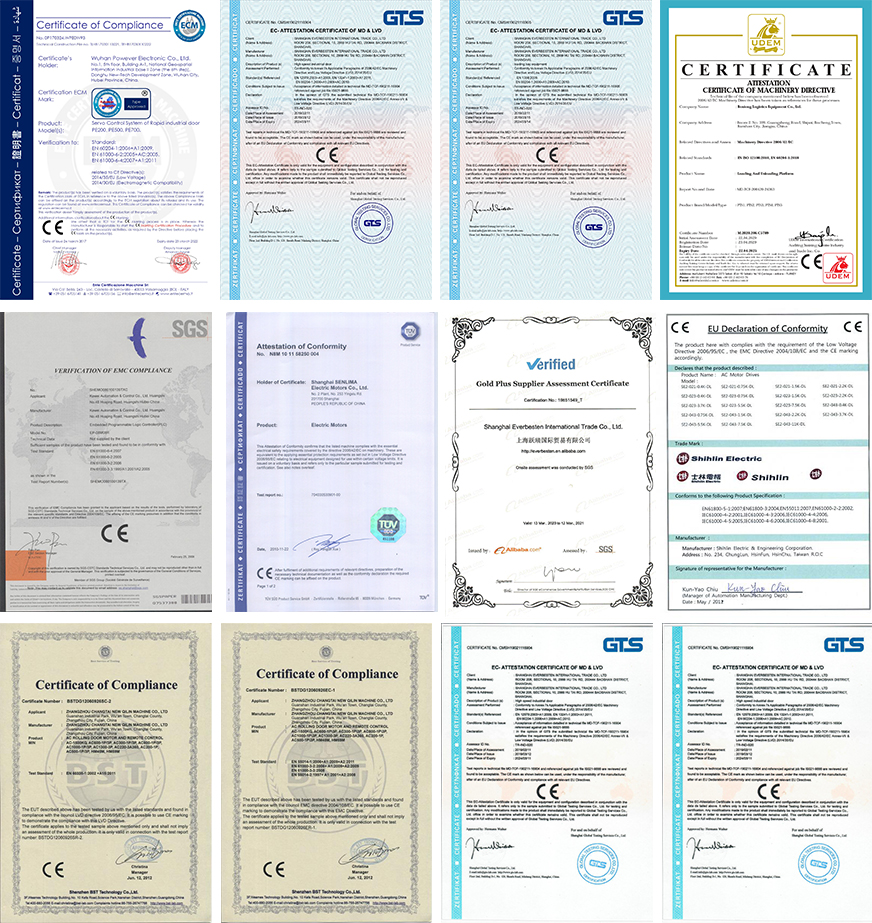
All Yueruis vehicle restraints are manufactured under CE, ISO, and SGS certified quality systems.
Q1: Why is a vehicle restraint system safer than wheel chocks?
A: Vehicle restraints physically lock the trailer, preventing movement entirely, while wheel chocks can slip or be forgotten.
Q2: Can Yueruis vehicle restraints work with different truck types?
A: Yes. They are designed to accommodate most standard rear impact guards.
Q3: Are dock traffic lights necessary?
A: Yes. They greatly improve communication and reduce human error during loading operations.
Q4: Can the system be customized?
A: Absolutely. Yueruis offers customization based on dock design, traffic volume, and safety requirements.